· 2 min read
Hanoi Photography Etiquette: People, Shops and Sacred Places
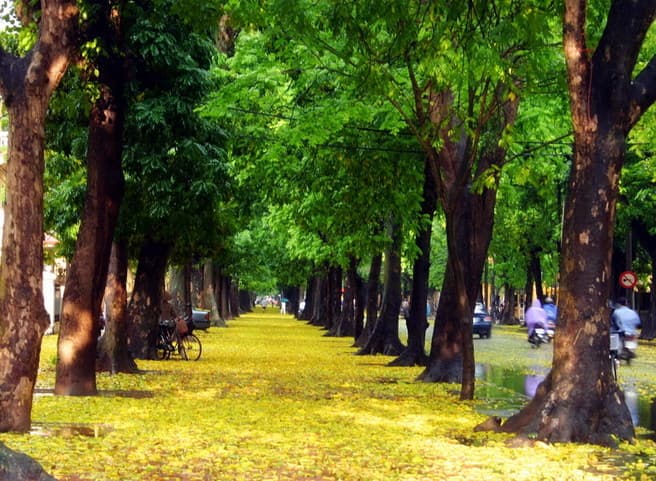
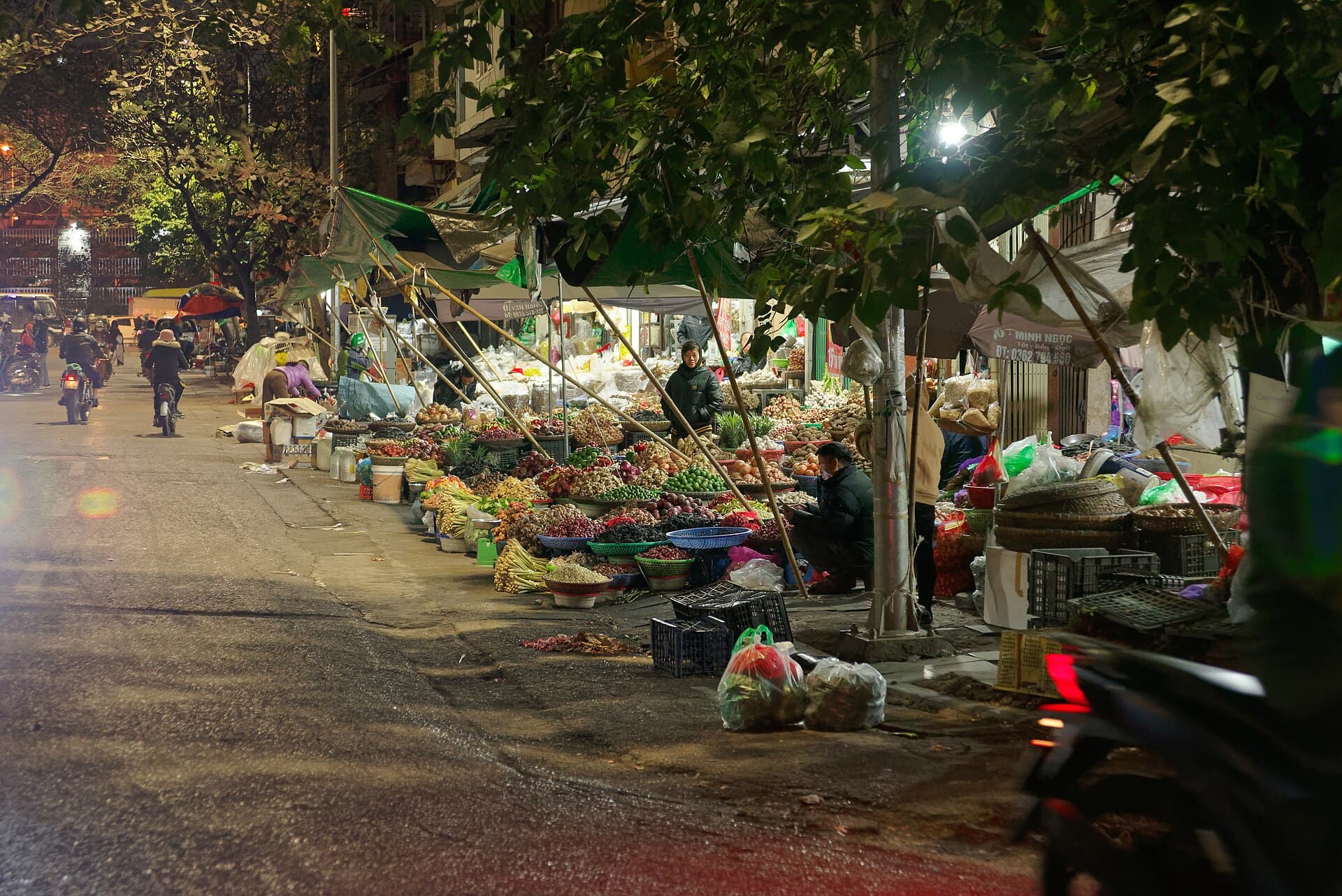
Good travel photography in Hanoi begins with attention to the people and spaces around you. A lively street is also somewhere people work, live and worship. Ask before close portraits, respect boundaries and choose a position that does not obstruct others. These are practical visitor principles, not a statement of every applicable photography law.
Caption the observation you can support
Write the place you actually photographed and the date when relevant. Avoid describing an unidentified building as a temple, an old image as today's street arrangement or a person as representative of a whole community. When sharing commercially, keep copyright permission and a person's rights as separate questions. A licence to reuse the photograph does not make the subject an endorser of the business using it.
Ask when a person is the subject
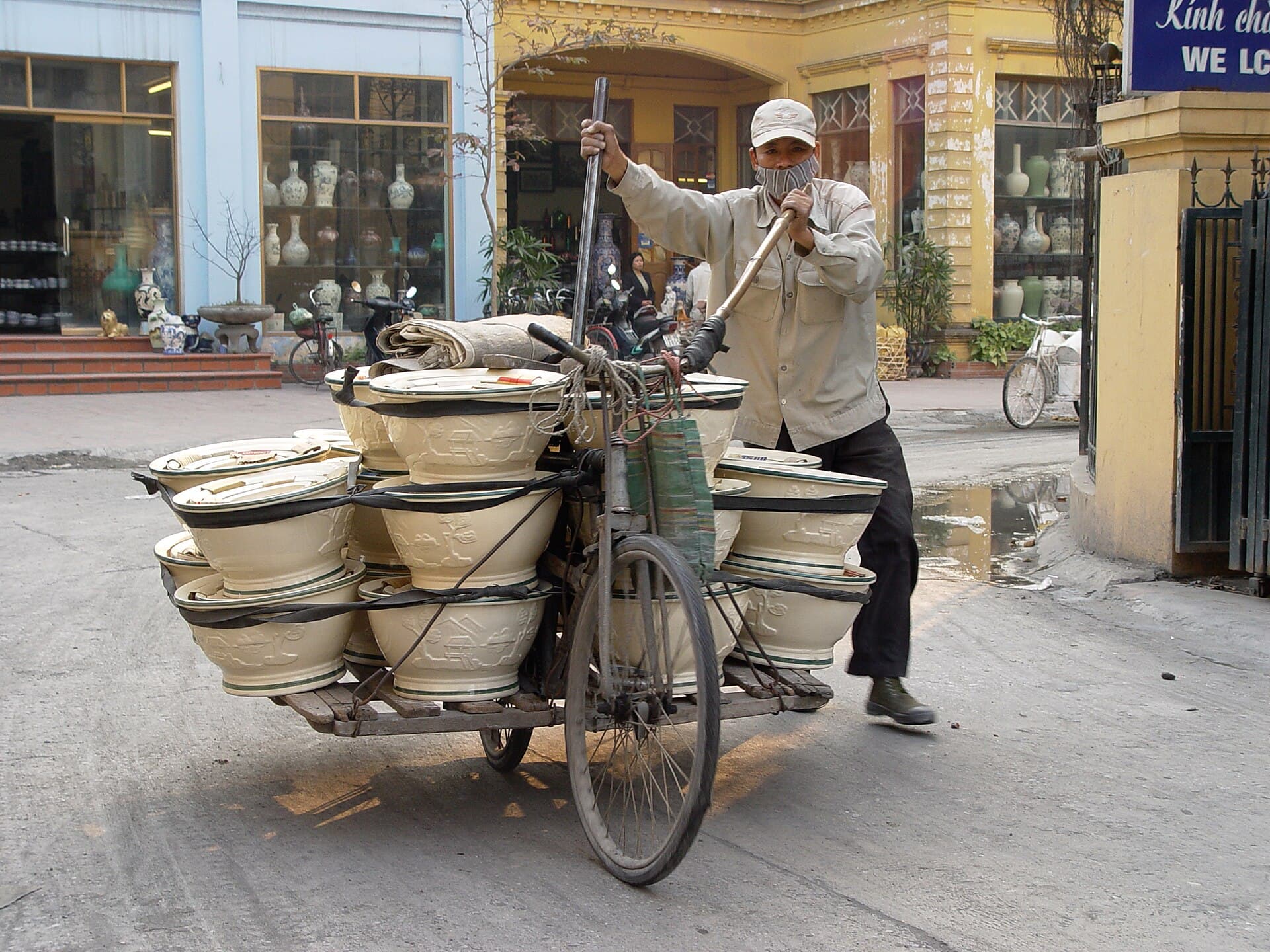
If you want a close portrait of a vendor, craftsperson or resident, seek permission. Accept a refusal without making the interaction uncomfortable. Buying something does not automatically grant permission for a portrait or unrestricted use of the image.
If payment or a service is involved, clarify the arrangement before taking part. Avoid assuming either that every photograph is free or that every person expects payment.
Keep private spaces private
A picturesque entrance may lead to a home, office or working courtyard. Stay in public areas unless invited. Ask before photographing inside a shop or workshop, especially when people are working.
At temples, museums and performance venues, follow the specific rules. Flash, tripods, commercial equipment and interior photography may be handled differently.
Keep the street in view
Do not step backwards into traffic to widen the frame or place someone in the road for a picture. Stop somewhere suitable before changing settings or checking the map.
Give other pedestrians room to pass and keep doorways clear. A short pause to wait for an unobstructed scene is better than expecting everyday life to stop for the photograph.
Make captions accurate
Record the actual place and date when useful. Do not label a generic lake photograph as Ba Mau or a historic image as proof of current access. Avoid suggesting that the people pictured endorse a business.
For an AN Residence stay, ask about the apartment and dates you need. Any photography inside the property or organised shoot should be discussed separately with the team.