· 2 min read
Hanoi Old Quarter: How to Explore Beyond a Checklist
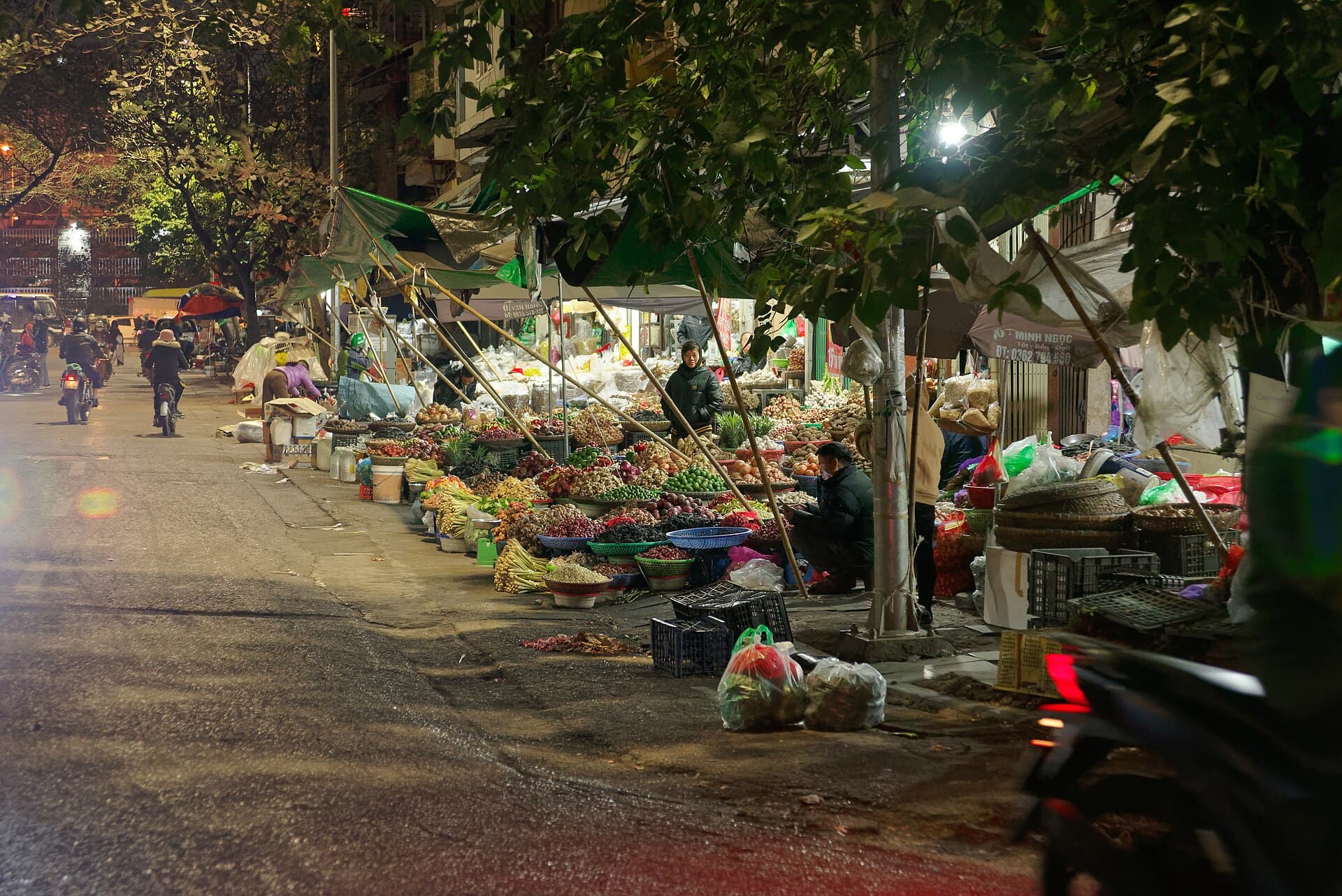
Hanoi's Old Quarter rewards attention more than distance. Choose a handful of streets and give yourself time to notice shopfronts, narrow buildings and the way daily life shares space with visitors. You do not need to find a hidden address or complete every historic craft street to understand why the area matters.
Notice a street without treating it as a display
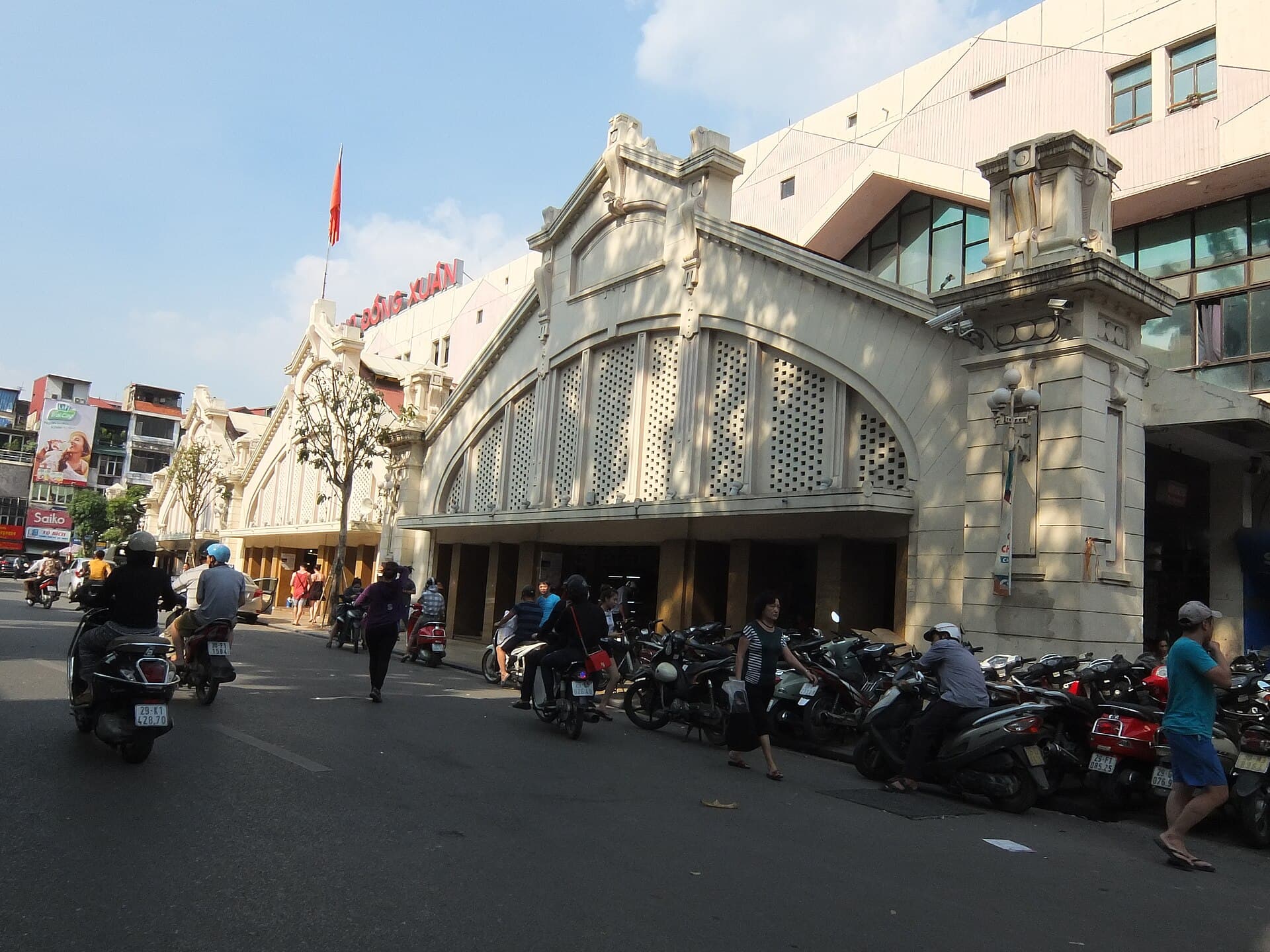
Choose two or three streets and look at one detail on each: the width of a building, a shop's goods or the transition from street to doorway. The historic craft name is a useful question, not proof that every modern shop still practises that trade. Keep the visit on public routes and ask before entering the spaces behind the facade.
Use street names as questions
The Old Quarter's streets are associated with traditional trades, a theme highlighted in Vietnam Tourism's Hanoi introduction. Read a street name as a clue to its history, then look at what is sold there now. The modern street may contain a mixture of businesses rather than a preserved display of one craft.
Ask a seller about a material or process when you are genuinely interested. A short, respectful conversation can be more useful than assuming every object is made locally or every shop has the same history.
Build a small loop
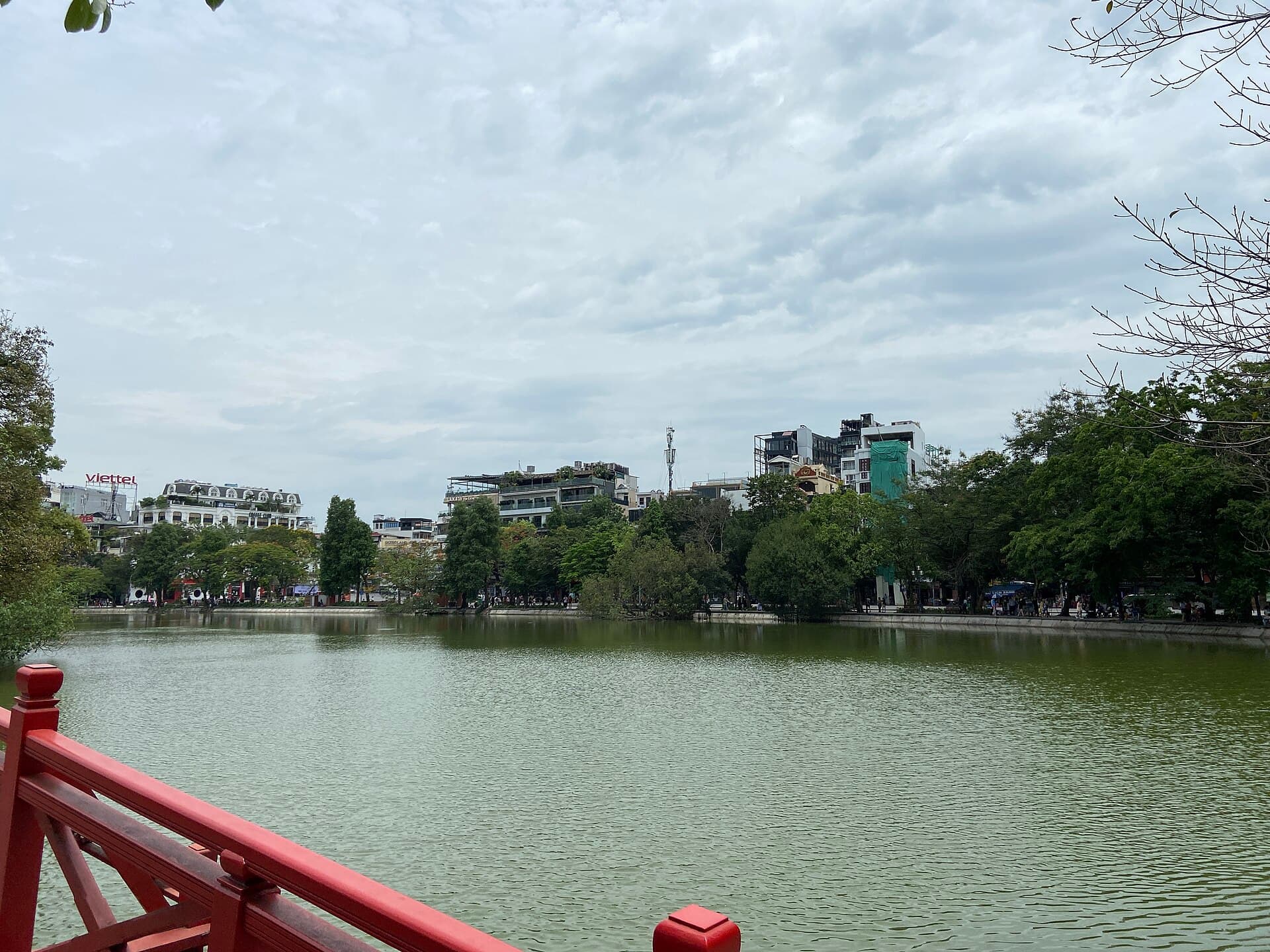
Pick an easy starting reference such as the Hoan Kiem area, then choose a modest route with a clear way back. Save the streets you want to see, but do not rely on memory alone once you enter the smaller lanes. If your group separates, agree on a recognisable meeting point.
Allow for the pavement conditions you actually find. Shop activity, parked vehicles and traffic can affect the comfortable walking line. Stop somewhere suitable before checking a map instead of blocking a doorway or stepping backwards into the road for a photograph.
Let a meal structure the visit
Choose one food interest rather than arriving with a list of every dish in Hanoi. Look at the menu, confirm the price if unclear and communicate dietary requirements directly. A busy venue or a recommendation in a guide does not establish that every ingredient suits you.
If a particular cafe or restaurant is the main reason for visiting, check its own current information first. Businesses can move, change hours or close; an older traveller's photo is not a current operating notice.
Respect the places behind the shopfronts
The Old Quarter is not an open-air set. Homes, worship spaces and workplaces have boundaries even when the street is full of visitors. Ask before photographing people closely or entering a courtyard that is not clearly public.
You can finish after a short walk and return another day. A second visit with a different focus often reveals more than extending the first until everyone is tired.
When choosing AN Residence as your Hanoi accommodation, check the location and apartment options. AN is by Ba Mau Lake; plan the journey to the Old Quarter separately rather than assuming the property is within it.