· 2 min read
Imperial Citadel of Thang Long: Read Hanoi's Layers
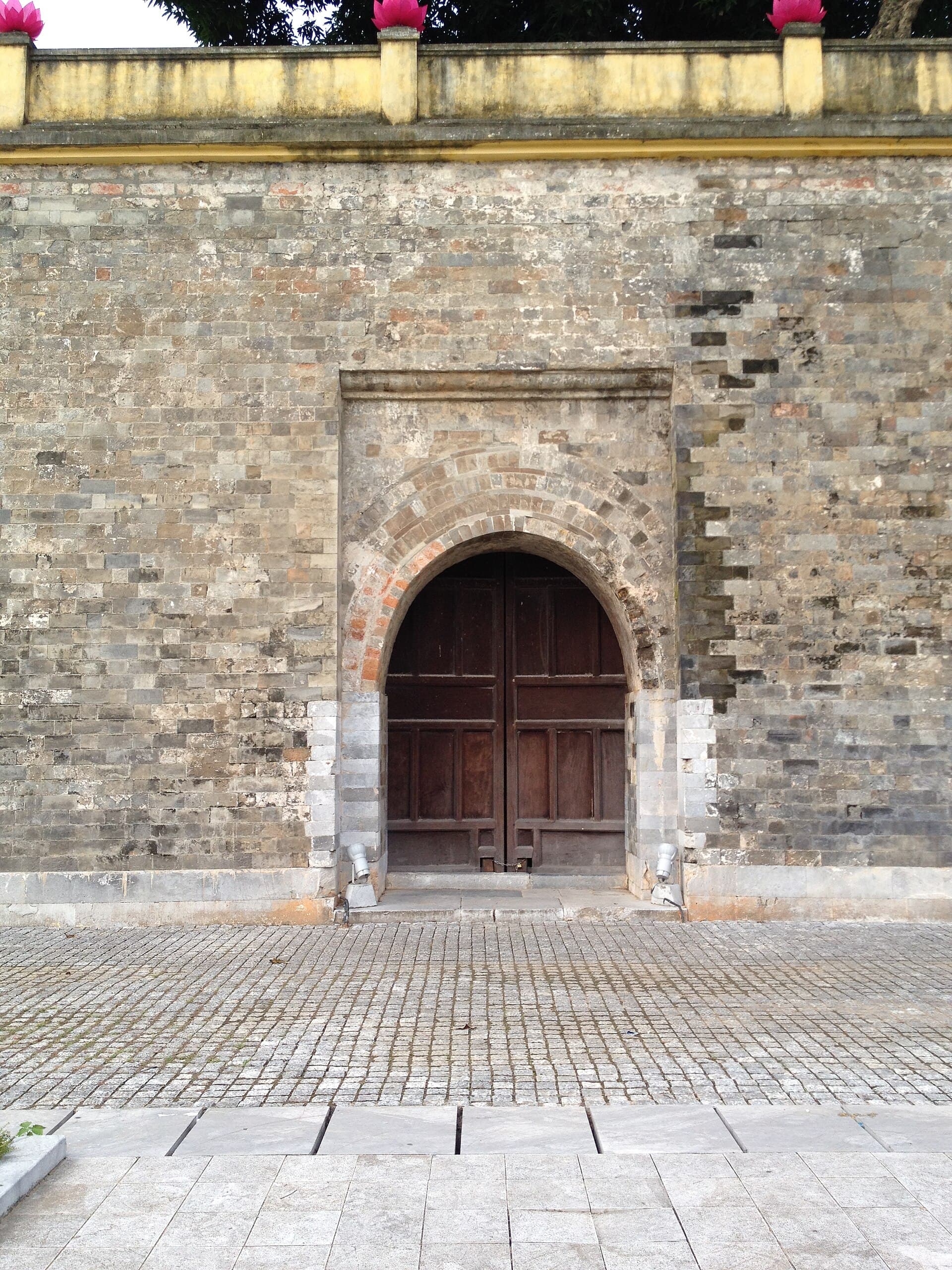
The Imperial Citadel of Thang Long is best approached as a layered place. Its official introduction discusses both standing monuments and remains beneath the ground, and notes its World Heritage inscription in 2010. A visit is therefore not only about looking for a complete palace building; it is also about understanding how evidence of different periods survives.
Distinguish a monument from an archaeological trace
At each main stop, ask what survives and what the interpretation reconstructs. A standing gateway, a foundation and a display of excavated material answer different historical questions. The site's value is not dependent on presenting a complete palace interior. Looking for layers rather than a single finished building helps you understand why visible open space can still be part of a significant heritage place.
Begin with the site's own explanation
Read the introductory interpretation before moving between structures. Ask what you are seeing: an original element, a surviving foundation, an archaeological display or later interpretation. Distinguishing these helps you understand the place without expecting every historical period to appear as a finished room.
A photograph rarely conveys that distinction. Give yourself time to read the display associated with a feature rather than assigning a date from appearance alone.
Choose depth over coverage
Select a few features that interest you and follow their explanations. You do not need to remember every name to appreciate the relationship between royal history, later use and archaeology.
If booking a guided or evening programme, confirm its actual content, language and route. Do not assume it duplicates daytime access or includes every area of the site.
Check access before the day
Consult the heritage operator for current opening, admission and notices. If part of the grounds is closed for conservation or another reason, adapt the plan rather than treating access as guaranteed.
Ask about walking surfaces, steps and available assistance if anyone in your group needs that information. Outdoor sections and archaeological viewing arrangements may require more specific questions than whether the site is generally accessible.
Give the visit a thoughtful ending
Leave room for a pause afterwards, particularly if you have spent time reading detailed interpretation. A meal can be a better second stop than another large historical collection rushed before closing.
Contact AN Residence if you are arranging a Hanoi base for a cultural stay. Confirm accommodation dates separately from any Citadel tickets or guide; an apartment enquiry does not reserve a heritage programme.