· 2 min read
Hanoi French Quarter: Architecture at a Slower Pace
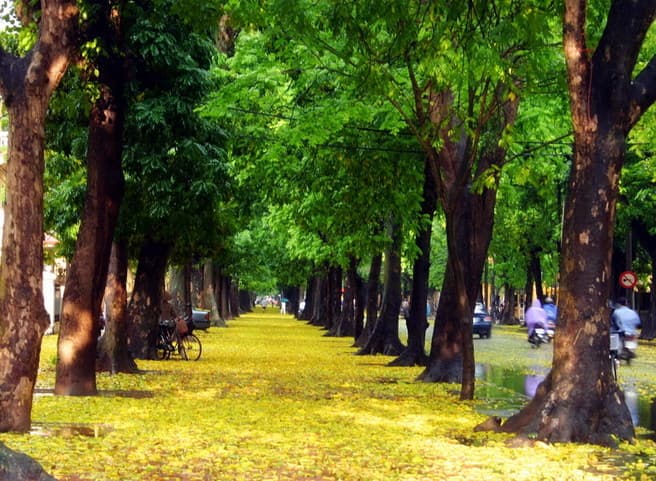
An architecture walk in Hanoi's French Quarter works best when you look at the streets as well as individual buildings. Notice the spacing of facades, the relationship between trees and pavements, and the contrast with the narrower Old Quarter. A short, attentive route is enough; this need not become a tour of every colonial-era address.
Compare street patterns rather than ticking buildings
At one stop, look at how far a facade sits from the pavement; at another, notice the width of the street and the rhythm of entrances. These observations help distinguish the broader French Quarter setting from the tighter Old Quarter without inventing a history for each building. If you want to enter a venue, make that a separate confirmed stop. The architecture walk itself can remain a public-space outing.
Set a manageable boundary
Vietnam Tourism's walking guide places the French Quarter south of the Old Quarter and connects architecture, museums and lakes within a broader city walk. Use that orientation to select a smaller section that fits your interests. You do not have to reproduce the entire suggested route.
Choose a starting reference, one principal building or cultural stop and a place to finish. Save the addresses before leaving, and keep the route adjustable if a pavement or crossing is inconvenient.
Look beyond a photograph
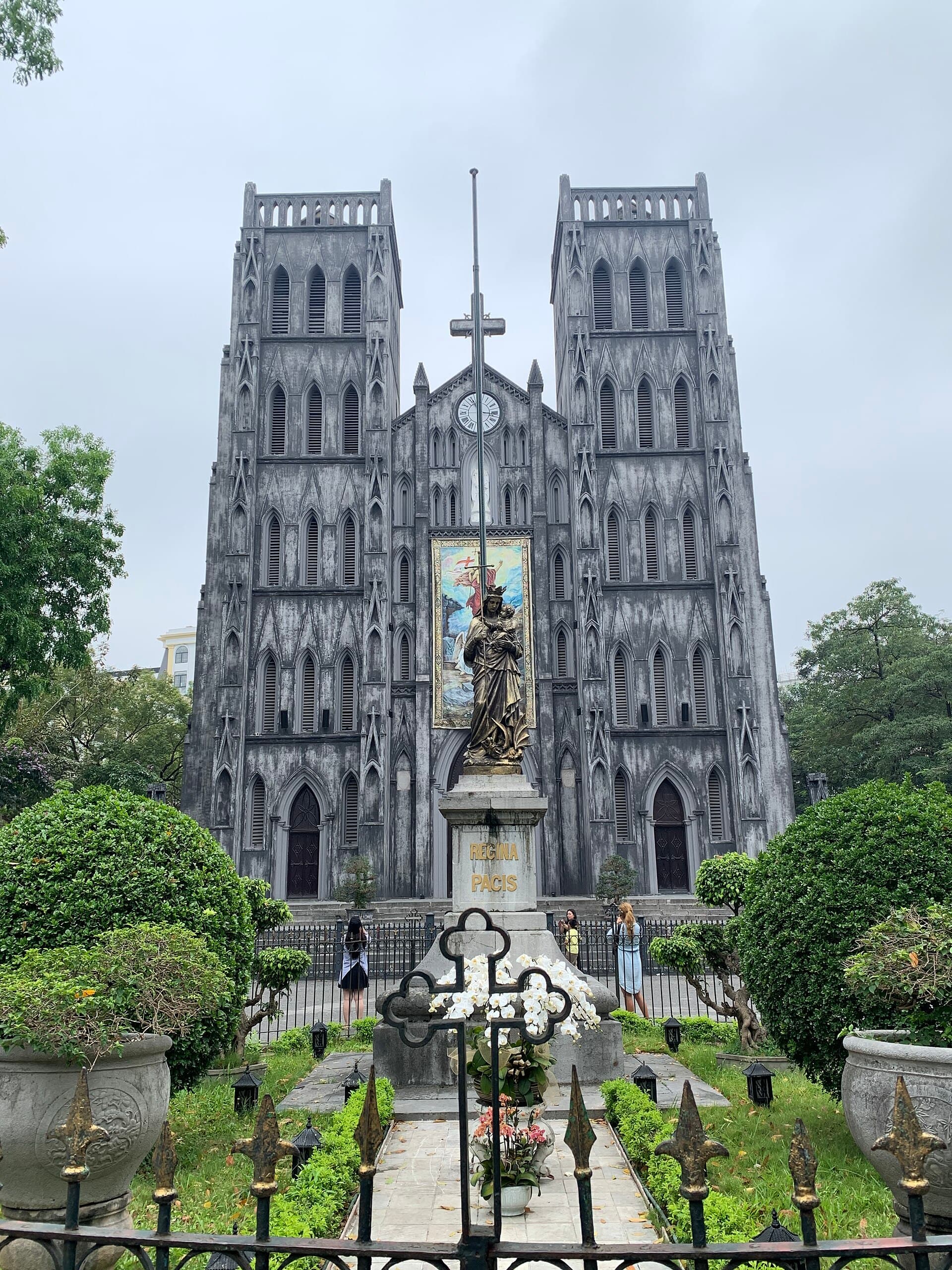
Rather than searching only for the best facade image, notice how doors, balconies, rooflines and shaded edges relate to the street. Compare what you can see without attaching an unverified date or architect to each building. If a particular building's history interests you, consult its own institution or a reliable heritage source.
Do not infer that a handsome exterior is a public attraction. Some buildings are workplaces, hotels or private premises. Remain in public areas unless access has been explicitly offered. Avoid obstructing an entrance while taking photographs.
Choose culture or a meal as the second stop
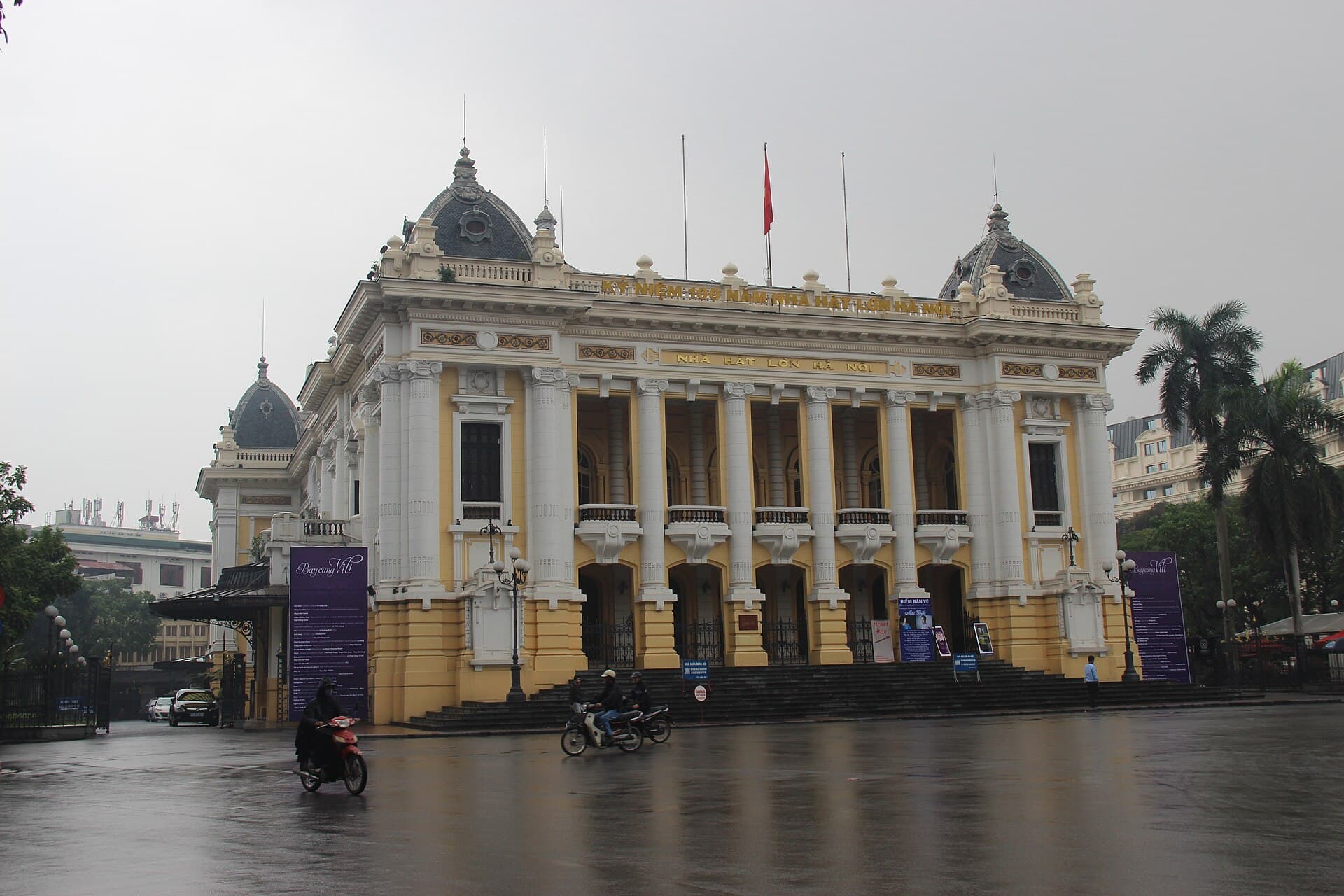
A museum can give the walk more context, but check its current hours and exhibition information separately. If you want an Opera House performance, reserve the actual programme; viewing the exterior and attending an event are different plans.
For a meal or cafe, choose a currently operating address that suits your pace. A well-known hotel terrace mentioned in an old route is not an obligation, and visiting it may involve its own availability or purchase conditions.
Leave room to notice the city
Walk with your group rather than making every turn serve a photographic checklist. Pause somewhere suitable before reading the map, and ask before photographing people closely. If the weather changes, you can finish after the main building and return another day.
For an AN Residence stay, review the apartment options and plan the French Quarter outing as a separate journey from Ba Mau Lake. Ask for current directions if needed; no fixed walking time or building admission is implied here.