
· 2 min read
Connecting Between Noi Bai Terminals T1 and T2
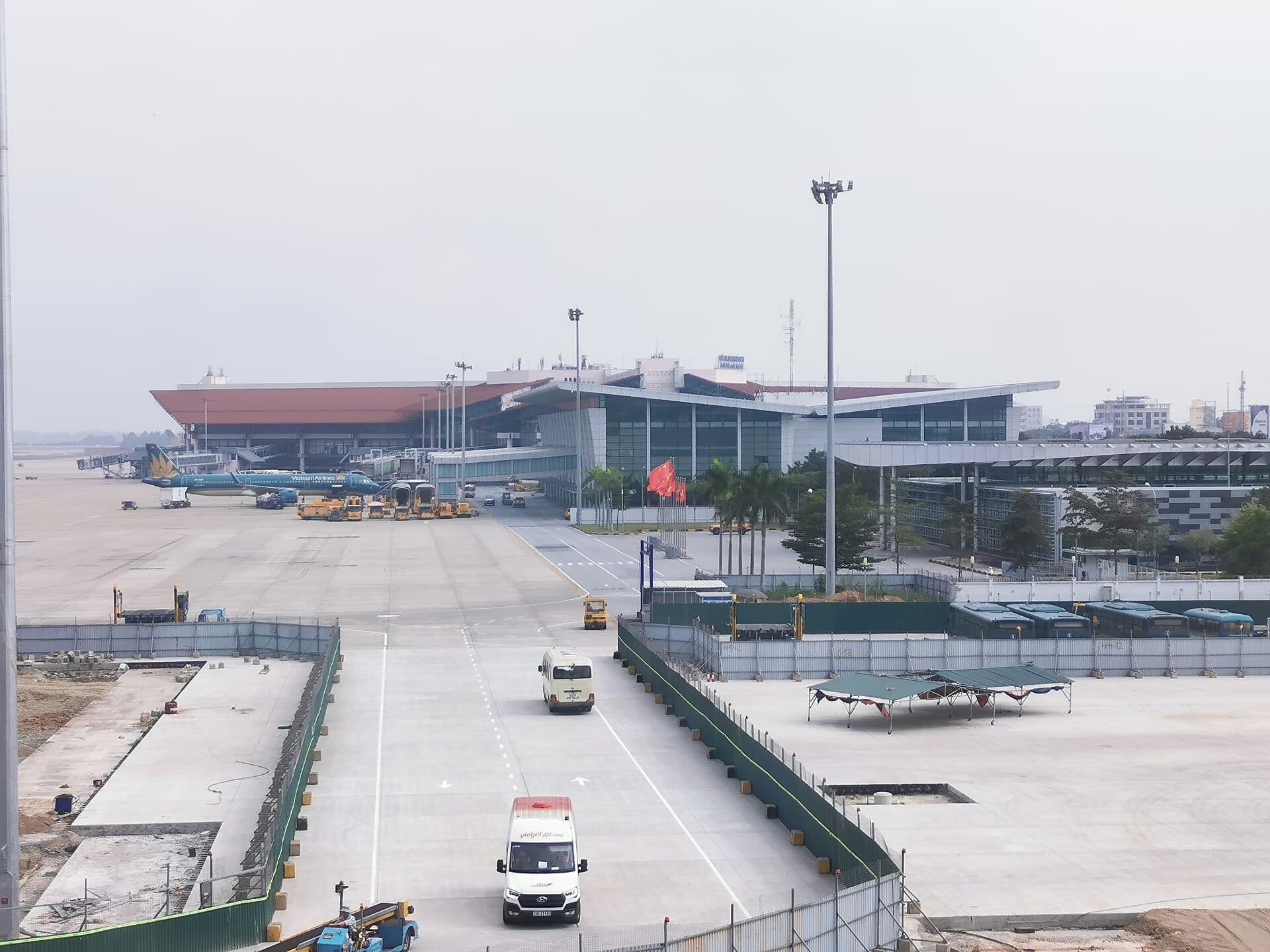
A connection at Noi Bai becomes more complicated if the next flight uses a different terminal. Before booking a tight connection, check the terminal for each flight, whether the tickets are connected, and whether you must collect and recheck baggage. Moving between buildings is only one part of the connection.
A connection is more than a terminal shuttle
For an international-to-domestic itinerary, make a separate checklist for arrival formalities, baggage, the terminal change and the next flight's check-in. Mark each step that the airline has confirmed. A shuttle only solves the movement between buildings. If you hold separate tickets, ask each carrier what it will do after a delay; do not build the connection around an assumed protection that nobody has confirmed.
Read both flight records
Check the operating airline, flight number, local date and terminal on each itinerary. If one airline sold the ticket but another operates the flight, use the operating airline's check-in and terminal information. Recheck close to departure because arrangements can change.
Ask the airline whether your baggage is checked through and whether you will receive both boarding passes at the first airport. A single booking reference does not answer every transfer question. Conversely, separate tickets can create responsibilities that you need to plan for yourself.
Confirm the airport transfer process
Noi Bai's official connecting-passenger information describes a free shuttle between T1 and T2. Check its current pickup location and operation with the airport, and follow the signs on arrival. Do not assume that an online route sketch still shows the current waiting point.
If you need to pass arrival formalities, collect bags, travel between terminals and check in again, allow for all of those steps. Ask your airline what connection time it accepts for your itinerary. A generic travel blog estimate cannot account for the exact ticket, queues or baggage arrangement.
Keep essentials with you
Carry travel documents, the next flight details and any required boarding information somewhere accessible. Keep your phone charged and save the itinerary offline. If a bag is delayed, speak to the airline before leaving the relevant baggage area and explain that you have another flight.
For anyone who needs mobility assistance, contact the airlines and airport ahead of time. Ask specifically about the route between arrival and the next check-in or gate, rather than relying on a broad statement that the airport has assistance services.
Know when the plan needs changing
If the first flight is delayed, ask the airline about your onward options before buying another ticket independently. Your options depend on the reservation and carrier terms. Do not assume that a separate onward ticket will automatically be protected.
When a connection becomes an overnight stop, confirm the accommodation dates, road transport and airport return separately. An apartment in Hanoi is a city stay, not an airside transit room.
If your revised itinerary includes a night in the city, contact AN Residence with the exact dates and arrival needs. Ask for availability and a confirmed access arrangement before leaving the airport.